
Panna National Park
Panna National Park, located in the Indian state of Madhya Pradesh, is a beautiful wildlife reserve known for its diverse flora and fauna, scenic landscapes, and conservation efforts. Covering an area of approximately 542 square kilometers, Panna National Park is situated in the Vindhya Hills and is bordered by the Ken River.
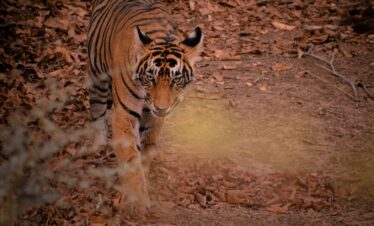
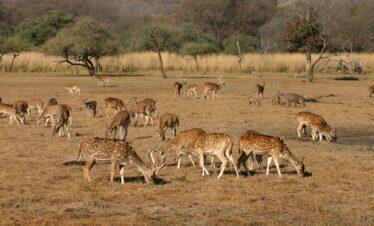
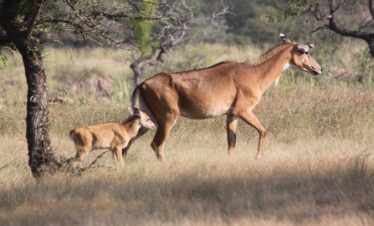
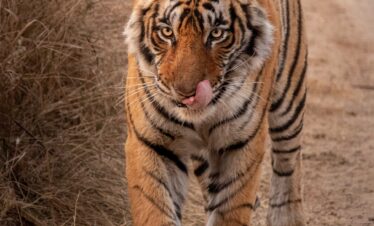
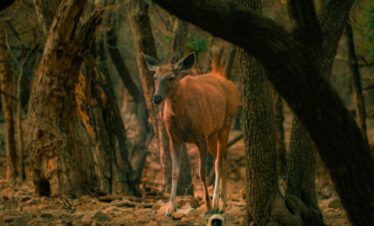
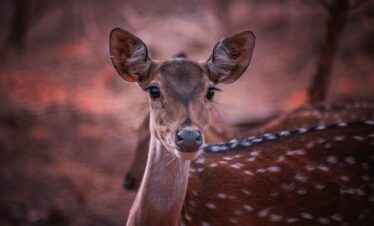
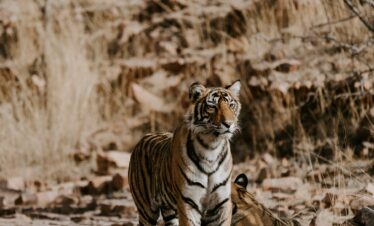
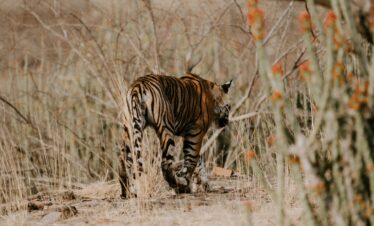
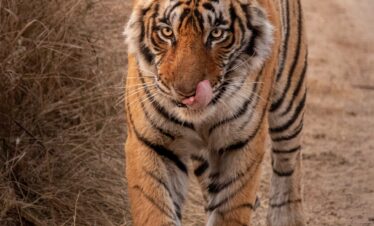
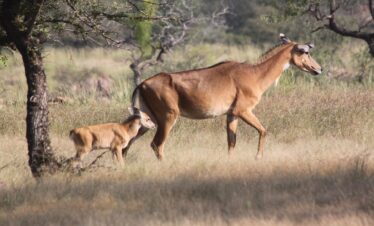
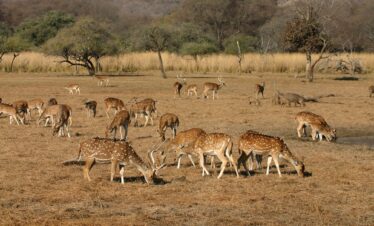
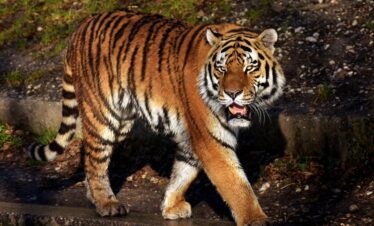
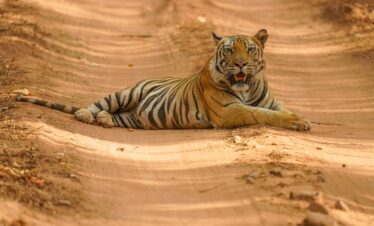
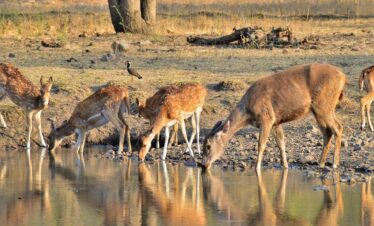
The park is home to a wide variety of wildlife species, including tigers, leopards, sloth bears, Indian wolves, jungle cats, and spotted deer. Panna National Park is particularly renowned for its successful tiger conservation program, which has led to a significant increase in the tiger population over the years.
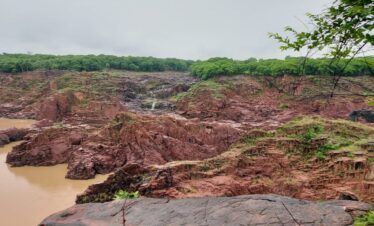
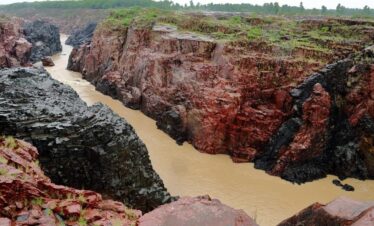
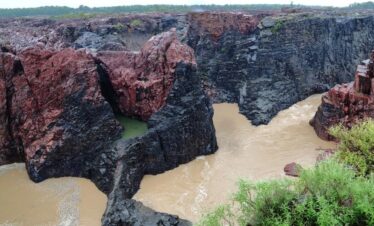
One of the highlights of Panna National Park is its picturesque landscapes, which include dense forests, open grasslands, rocky plateaus, and tranquil rivers. The park offers stunning views of the surrounding hills and valleys, making it a paradise for nature lovers and photographers.
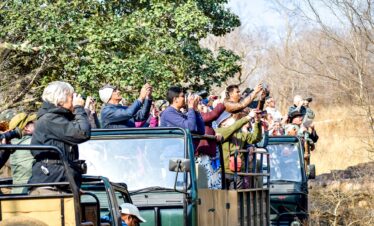
Visitors to Panna National Park can explore the park’s rich biodiversity through jeep safaris, elephant safaris, and boat rides along the Ken River. These excursions provide opportunities to spot wildlife in their natural habitat and witness the park’s stunning natural beauty up close.
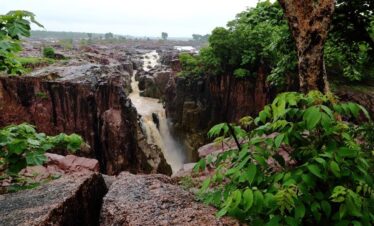
In addition to its wildlife, Panna National Park is also home to several historic and cultural landmarks, including the ancient Pandav Falls and the majestic Raneh Falls. These scenic waterfalls attract visitors with their cascading waters and lush green surroundings.
Panna National Park is also known for its efforts in conservation and eco-tourism. The park collaborates with local communities to promote sustainable tourism practices and wildlife conservation initiatives, ensuring the protection of the park’s natural resources for future generations.
Overall, Panna National Park offers a memorable and enriching wildlife experience, combining the thrill of wildlife sightings with the tranquility of its natural surroundings. Whether you’re a wildlife enthusiast, nature lover, or adventure seeker, Panna National Park provides an unforgettable journey into the heart of India’s wilderness.
City Tour
 Easy
Easy
Easy
 Easy



 Easy
Easy
Day Tour
Jungle Safari
A is an overland journey, usually a trip by tourists to Africa. In the past, the trip was often a big-game hunt, but today, safari often refers to trips to observe and photograph wildlife—or hiking and sightseeing, as well.
The Swahili word safari means journey, originally from the Arabic meaning a journey; the verb for “to travel” in Swahili is kusafiri. These words are used for any type of journey, e.g. by bus from Nairobi to Mombasa or by ferry from Dar es Salaam to Unguja. Safari entered the English language at the end of the 1850s thanks to Richard Francis Burton, the famous explorer.
The Regimental March of the King’s African Rifles was ‘Funga Safari’, literally ‘tie up the March’, or, in other words, pack up equipment ready to march.
In 1836 William Cornwallis Harris led an expedition purely to observe and record wildlife and landscapes by the expedition’s members. Harris established the safari style of journey, starting with a not too strenuous rising at first light, an energetic day walking, an afternoon rest then concluding with a formal dinner and telling stories in the evening over drinks and tobacco.
Easy
Easy
Easy
Multi Day Tour
Easy
Easy
Easy
Easy
Easy
Easy