
Rajgir
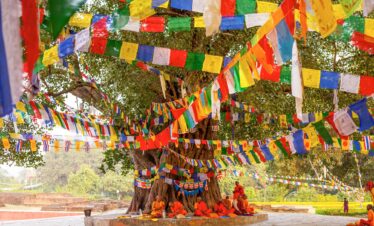
Rajgir, located in the Indian state of Bihar, is an ancient city with a rich history dating back to the time of Lord Buddha and the Magadha Empire. Nestled in the scenic Rajgir Valley surrounded by lush green hills, Rajgir is renowned for its spiritual significance, historical monuments, and natural beauty.
One of the most significant landmarks in Rajgir is the Vishwa Shanti Stupa, also known as the World Peace Pagoda. Situated atop the Ratnagiri Hills, the stupa offers panoramic views of the surrounding landscape and serves as a symbol of peace and harmony. Visitors can reach the stupa by a scenic ropeway ride or by climbing a series of stone steps.
Rajgir is also famous for its hot springs, known as the Brahmakund Hot Springs, which are believed to have therapeutic properties. The hot springs are mentioned in ancient texts and are frequented by pilgrims and tourists seeking relaxation and rejuvenation.
Another important site in Rajgir is the Griddhakuta Hill, also known as Vulture’s Peak, where Lord Buddha is said to have delivered many discourses, including the renowned Lotus Sutra. Visitors can hike to the top of the hill to explore the various caves and shrines and enjoy breathtaking views of the surrounding countryside.
Rajgir is also associated with several events from the life of Lord Buddha. The Jivaka’s Mango Grove, where Lord Buddha frequently stayed during his visits to Rajgir, is a tranquil spot for meditation and reflection. The Ajatshatru Fort, built by the Magadha king Ajatshatru, is another historic landmark in Rajgir that offers insights into the region’s ancient past.
In addition to its spiritual and historical attractions, Rajgir is a popular destination for eco-tourism and adventure activities. The area is blessed with scenic beauty, including lush forests, rocky hills, and picturesque waterfalls, making it ideal for trekking, hiking, and nature walks.
Overall, Rajgir is a fascinating destination that offers a unique blend of spirituality, history, and natural beauty. Whether you’re exploring ancient monuments, soaking in the healing waters of the hot springs, or enjoying outdoor adventures in the surrounding hills, Rajgir promises a memorable and enriching experience for visitors.
City Tour




Cultural Tours
Tourism is travel for pleasure or business; also the theory and practice of touring, the business of attracting, accommodating, and entertaining tourists, and the business of operating tours. Tourism may be international, or within the traveller’s country. The World Tourism Organization defines tourism more generally, in terms which go “beyond the common perception of tourism as being limited to holiday activity only”, as people “traveling to and staying in places outside their usual environment for not more than one consecutive year for leisure, business and other purposes”.
Tourism can be domestic or international, and international tourism has both incoming and outgoing implications on a country’s balance of payments. Today, tourism is a major source of income for many countries, and affects the economy of both the source and host countries, in some cases being of vital importance.
Jungle Safari
A is an overland journey, usually a trip by tourists to Africa. In the past, the trip was often a big-game hunt, but today, safari often refers to trips to observe and photograph wildlife—or hiking and sightseeing, as well.
The Swahili word safari means journey, originally from the Arabic meaning a journey; the verb for “to travel” in Swahili is kusafiri. These words are used for any type of journey, e.g. by bus from Nairobi to Mombasa or by ferry from Dar es Salaam to Unguja. Safari entered the English language at the end of the 1850s thanks to Richard Francis Burton, the famous explorer.
The Regimental March of the King’s African Rifles was ‘Funga Safari’, literally ‘tie up the March’, or, in other words, pack up equipment ready to march.
In 1836 William Cornwallis Harris led an expedition purely to observe and record wildlife and landscapes by the expedition’s members. Harris established the safari style of journey, starting with a not too strenuous rising at first light, an energetic day walking, an afternoon rest then concluding with a formal dinner and telling stories in the evening over drinks and tobacco.
Multi Day Tour